
Chola Nadu Divya Desam Tours
Explore the Divine with Us
Discover South India’s sacred destinations with our trusted temple tour packages.
Chola Nadu Divya Desam Temple Tours
Our Chola Nadu Divya Desam Tour is a sacred pilgrimage that covers around 33 Divya Desam temples located in and around Kumbakonam, Thanjavur, Mayiladuthurai, and nearby regions. These temples are among the 108 Divya Desams revered in the hymns of the Tamil Alwars and are dedicated to Lord Vishnu in various divine forms. This specially curated tour offers devotees the chance to visit a large cluster of historically and spiritually significant temples, all nestled within the culturally rich Chola Nadu region. With seamless travel arrangements, comfortable accommodations, and guided temple visits, this package is perfect for those seeking a deep spiritual experience combined with the architectural and devotional beauty of ancient Tamil Nadu.
Our Chola Nadu Divya Desam Tour Packages
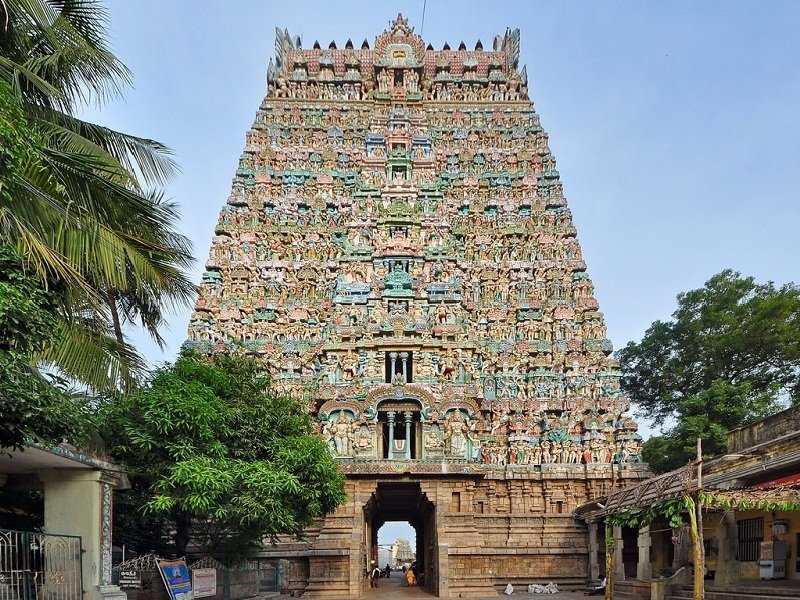
Day 1 : Kumbakonam to Thanjavur – 9 Divya Desam Temples
Discover the sacred Divya Desams of Chola Nadu, a divine journey through nine revered temples dedicated to Lord Vishnu. From the serene ThiruAadhanoor and Tiruppullamputangudi, to the legendary Kabisthalam and Thirukoodalur, each shrine holds unique spiritual significance. Thirukkandiyur reflects divine harmony, while Thanjai Mamani Koil, Nathan Kovil, and Thiruvalliangudi echo ancient devotion. The majestic Sarangapani Temple in Thirukudanthai stands as a crown jewel among them. These Divya Desams offer a spiritually enriching experience rooted in Tamil Nadu’s timeless Vaishnavite tradition.
You will visit:
- Thirukudanthai (Sarangapani Temple)
- Thiruvalliangudi
- Tiruppullamputangudi
- ThiruAadhanoor
- Thirukoodalur (Aaduthurai Perumal Temple)
- Kabisthalam (Gajendra Perumal Temple)
- Thirukkandiyur
- Nathan Kovil (Thiru Nandipura Vinnagaram Temple)
- Thanjai Mamani Koil
Day 2: Kumbakonam to Mayiladuthurai – 10 Divya Desam Temples
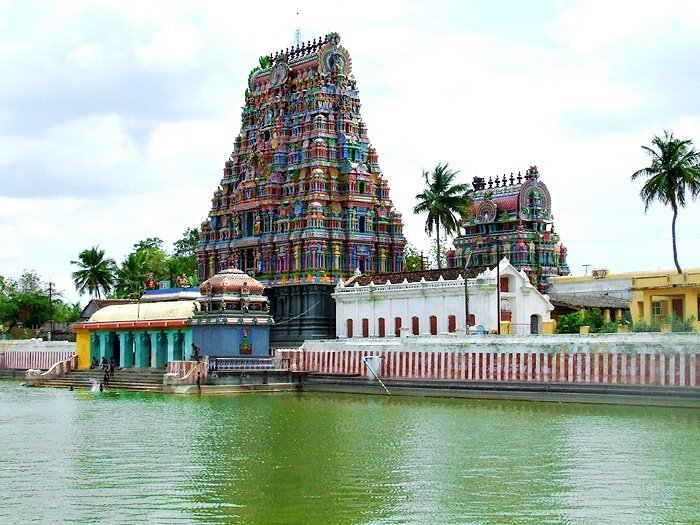
Visit 10 sacred Divya Desam temples in the Chola Nadu region on a spiritually enriching journey. These ancient Vaishnavite shrines, celebrated in Alwar hymns, offer a divine experience filled with tradition, devotion, and the timeless beauty of Tamil temple heritage.
Places You Will Visit:
- Oppiliappan Temple
- Natchiarkoil
- Thirucherai
- Thirukkannamangai
- Thirukkanangudi
- Thirunagai(Nagapattinam)
- Thirukkannapuram
- Tiruchirupuliyur
- Therazendur
- Thiru Indalur
Day 3: Kumbakonam to Thirunangur – 14 Divya Desam Temples
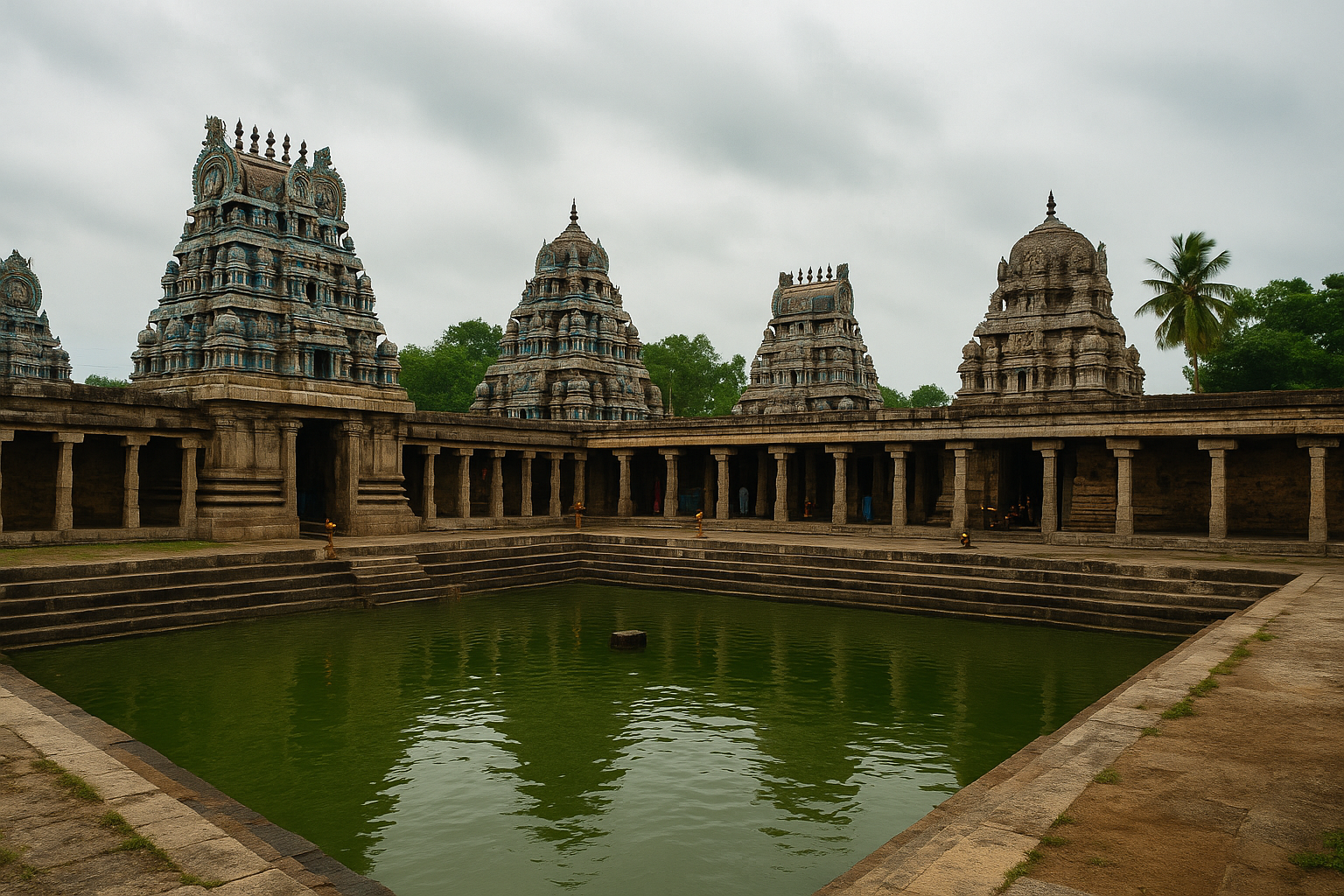
These 14 Divya Desam temples are located in the sacred region around Tamil Nadu’s east coast, known for their deep spiritual significance and divine legends. Each temple reflects a unique form of Lord Vishnu and is revered in Alwar hymns. Together, they offer a powerful pilgrimage experience rooted in devotion, tradition, and centuries-old Vaishnavite heritage.
Places Covered:
- Chidambaram
- Sirkali
- Thirunangur (AnnanKoil)
- Thirukkavalampadi (Thirunangur)
- Thiruchsemponsey (Thirunangur)
- Thiruvaikunda Vinnagaram (Thirunangur)
- Tirumanikoodam (Thirunangur)
- Thiruthevanartthogai (Thirunangur)
- Thiruvanpurudhothamam (Thirunangur)
- Thiruarimeya vinnagaram (Thirunangur)
- Thirumanimaadakkoil (Thirunangur)
- Thiruppaarththanpalli
- Thiruvaly (Thirunagar)
- Thalai Sanga Nanmathiyam (Thalachangadu)
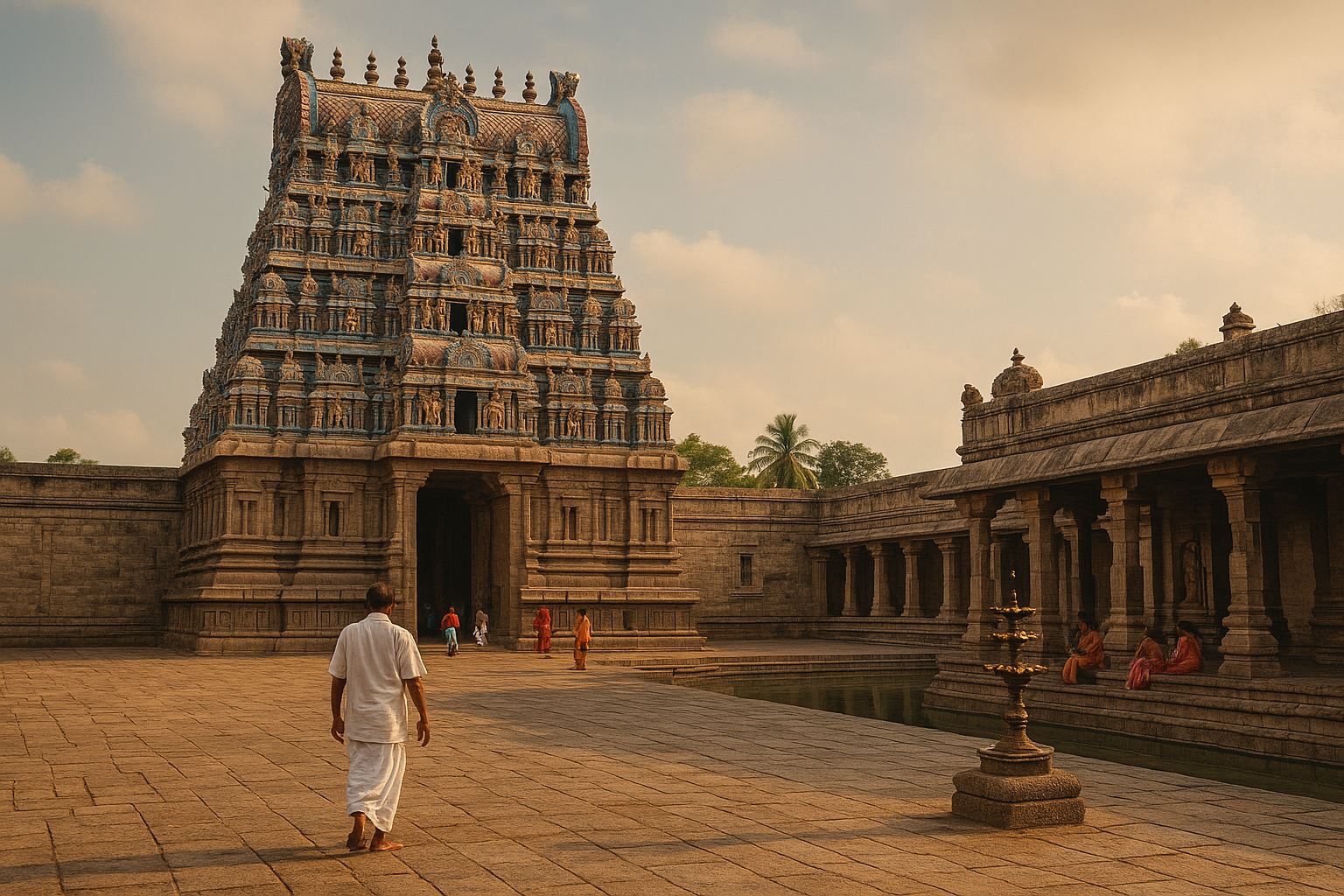
What Are the Divya Desams?
The Divya Desams are 108 sacred Vishnu temples celebrated in the hymns of the twelve Alwars — the Tamil Vaishnavite poet-saints whose devotional verses, compiled as the Naalayira Divya Prabandham, form one of the foundational texts of South Indian Vaishnavism. Of these 108 temples, a remarkable concentration — around a third of the total — lies within the Chola Nadu region surrounding Kumbakonam, Thanjavur, and Mayiladuthurai, making this area one of the most significant pilgrimage clusters for Vishnu devotees anywhere in India.
Each Divya Desam is associated with specific verses composed by one or more Alwars, and many carry distinct legends tied to particular forms or moments in Vishnu’s mythology. Visiting them in sequence — as this tour is structured — offers not just a spiritual journey but a walk through centuries of devotional literature and temple architecture, much of it dating back to the Chola period and earlier.
Day-by-Day Overview
This tour is structured across three days, each covering a distinct cluster of Divya Desam temples radiating out from Kumbakonam:
Day 1 focuses on nine temples closer to Thanjavur, anchored by the iconic Sarangapani Temple in Kumbakonam itself — the largest Vishnu temple in the town and one of the most visited Divya Desams on this circuit.
Day 2 moves toward Mayiladuthurai, covering ten temples including Oppiliappan Temple and the coastal shrine at Thirunagai (Nagapattinam).
Day 3 extends further to Thirunangur, covering fourteen temples in a tightly clustered group near Sirkali and Chidambaram, including several temples that share the “Thirunangur” designation as part of a historically significant Vaishnavite temple cluster.
Together, the three days cover 33 of the 108 Divya Desams — making this one of the most comprehensive single-region Vaishnavite pilgrimage packages available from Kumbakonam.
Can the Tour Be Customized to Fewer Days?
Yes. While the full three-day itinerary offers the most complete experience of the Chola Nadu Divya Desams, many travelers with limited time choose to book just one or two of the three days based on their specific interest or available schedule.
Day 1 only works well for travelers primarily interested in temples closest to Kumbakonam, including the Sarangapani Temple, without extending further toward the coast.
Days 1 and 2 combined suit devotees wanting a broader circuit without committing to the full three-day Thirunangur extension.
All three days are recommended for pilgrims specifically seeking to cover as many of the 108 Divya Desams as possible in a single organized trip, since the Thirunangur cluster on Day 3 is otherwise a separate, less commonly combined destination.
Let us know your available time when booking, and we’ll help you decide which combination of days best fits your schedule and spiritual priorities.
Accommodation & Logistics
Since this is a multi-day tour, accommodation between days is an important part of planning. We can guide you toward suitable lodging options in Kumbakonam, Mayiladuthurai, or near the Thirunangur cluster depending on how you structure your itinerary, though accommodation booking itself is arranged separately from the transport package.
Each day’s route includes an experienced driver familiar with the specific temple sequence, along with guidance on darshan timings and any special rituals commonly performed at particular Divya Desams along the way. Vehicle options include sedans for smaller groups and SUVs or tempo travellers for families and larger devotee groups traveling together across all three days.
Temple-by-Temple Guide: Day 1 (Kumbakonam to Thanjavur Cluster)
Sarangapani Temple, Thirukudanthai (Kumbakonam) — The undisputed centrepiece of Day 1 and one of the largest Vishnu temples in the region, known for its towering gopuram and chariot-shaped sanctum. It’s among the most visited Divya Desams on the entire circuit.
Thiruvalliangudi — A Divya Desam praised in Alwar hymns, reflecting the dense concentration of Vaishnavite shrines within a short radius of Kumbakonam.
Tiruppullamputangudi — Another closely clustered Divya Desam, part of the tightly connected group of temples that made this region such a significant centre for Alwar-era Vaishnavite worship.
ThiruAadhanoor — A serene, less-visited Divya Desam offering a quieter darshan experience compared to some of the larger temples on this route.
Thirukoodalur (Aaduthurai Perumal Temple) — A Vishnu shrine forming part of the same cluster, contributing to the day’s dense concentration of Alwar-praised sites.
Kabisthalam (Gajendra Perumal Temple) — Associated with the well-known Gajendra Moksha legend, in which Vishnu rescues a devoted elephant from a crocodile — one of the most narratively rich stops of the day.
Thirukkandiyur — A temple reflecting themes of divine harmony in local tradition, adding to the spiritual variety of the day’s circuit.
Nathan Kovil (Thiru Nandipura Vinnagaram Temple) — A Divya Desam with a distinct temple name reflecting its specific Vaishnavite tradition and Alwar-era significance.
Thanjai Mamani Koil — Located within Thanjavur town itself, this temple marks a fitting conclusion to Day 1’s route as it moves from Kumbakonam toward the Thanjavur cluster.
Day 2 (Kumbakonam to Mayiladuthurai Cluster)
Oppiliappan Temple — One of the more prominent Divya Desams on Day 2, associated with a distinctive legend involving oil offerings, and considered an important stop for devotees following the full 108 Divya Desam tradition.
Natchiarkoil — Home to the Srinivasa Perumal shrine and known for its unique Garuda Sevai ritual, adding a distinctive devotional practice to the day’s itinerary.
Thirucherai — A Divya Desam paired with an accompanying Shiva temple in the same village, reflecting the area’s dual Shaiva-Vaishnavite heritage.
Thirukkannamangai — Another Alwar-praised Vishnu shrine, forming part of the coastal-bound cluster of Day 2’s route.
Thirukkanangudi — A lesser-visited but significant Divya Desam, contributing to the comprehensive nature of this multi-day tour.
Thirunagai (Nagapattinam) — A coastal Divya Desam located in the historically significant town of Nagapattinam, reflecting the region’s long-standing Vaishnavite presence near the coast.
Thirukkannapuram — A Divya Desam continuing the coastal cluster explored on Day 2.
Tiruchirupuliyur — Part of the same regional group of Alwar-praised temples near Mayiladuthurai.
Therazendur — A Divya Desam noted in Alwar hymns, forming part of the broader Mayiladuthurai-area cluster.
Thiru Indalur — The final stop of Day 2, rounding out the coastal circuit before the tour proceeds toward the Thirunangur cluster on Day 3.
Day 3 (Kumbakonam to Thirunangur Cluster)
Chidambaram — While most famous for the Nataraja Temple, Chidambaram also holds Vaishnavite significance within the broader Divya Desam tradition, making it a fitting starting point for Day 3.
Sirkali — A historically significant town on this route, associated with important devotional heritage in the region.
The Thirunangur Cluster (11 temples) — Thirunangur (AnnanKoil), Thirukkavalampadi, Thiruchsemponsey, Thiruvaikunda Vinnagaram, Tirumanikoodam, Thiruthevanartthogai, Thiruvanpurudhothamam, Thiruarimeya Vinnagaram, and Thirumanimaadakkoil together form one of the most remarkable temple concentrations in the entire Divya Desam tradition — eleven distinct Vishnu shrines within a tightly clustered area near Sirkali, each individually praised in Alwar hymns and each representing a distinct form or aspect of Vishnu. Visiting this cluster in a single day is considered one of the more spiritually intensive experiences available within the 108 Divya Desam pilgrimage tradition.
Thiruppaarththanpalli — A Divya Desam located along the eastern stretch of this route, continuing the day’s dense temple coverage.
Thiruvaly (Thirunagar) — Another Alwar-praised shrine forming part of the day’s extended circuit.
Thalai Sanga Nanmathiyam (Thalachangadu) — The final stop of the three-day tour, marking the conclusion of this comprehensive 33-temple Divya Desam pilgrimage from Kumbakonam.
Darshan Tips & Local Insights
Pacing the Thirunangur cluster — Day 3’s eleven-temple Thirunangur cluster is spiritually significant but can be physically demanding given how many shrines are covered in close succession. Devotees who prefer a slower pace often choose to split this day further, covering the Thirunangur cluster over a day and a half rather than rushing through in a single day.
Dress code across all three days — Traditional, modest attire is expected at every Divya Desam on this circuit, consistent with broader Vaishnavite temple customs across Tamil Nadu.
Best time of year — Given the multi-day nature of this tour and the amount of walking and darshan time involved, the cooler months between November and February remain the most comfortable window, particularly for the extended Day 3 cluster.
Combining with Alwar hymn context — Many devotees find their visit more meaningful by familiarizing themselves beforehand with a few of the specific Alwar hymns associated with the temples they’re most looking forward to — local temple priests at several of the larger shrines, including Sarangapani, are often able to share more context on request.
Frequently Asked Questions
How many of the 108 Divya Desams does this tour cover?
This tour covers 33 Divya Desams across three days, all located within the Chola Nadu region surrounding Kumbakonam, Thanjavur, and Mayiladuthurai.
Can I book just one day of this tour instead of all three?
Yes, each day can be booked independently based on your available time and which temple cluster interests you most.
Do I need separate accommodation for the multi-day tour?
Yes, accommodation is arranged separately from the transport package, though we’re happy to recommend suitable lodging options near each day’s route.
Is this tour suitable for a group, or only individual travelers?
Both — we accommodate solo travelers, families, and larger devotee groups, with vehicle options adjusted to group size.
What is the difference between this tour and the Navagraha temple package?
The Navagraha tour focuses on nine temples dedicated to the nine planetary deities, while this Divya Desam tour focuses specifically on Vishnu temples celebrated in the Alwars’ devotional hymns. Some travelers combine both for a more comprehensive spiritual circuit.
Which day of this tour is most popular with first-time visitors?
Day 1, centered around the Sarangapani Temple and other temples closest to Kumbakonam, is typically the most commonly booked starting point for travelers new to the Divya Desam circuit.
Start a Reservation
Experience the divine energy of Chola Nadu temples. Reserve your seat now for a peaceful and powerful temple journey.
Client Testimonials
The Navagraha tour was well organized and spiritually fulfilling. Our driver was courteous, and the timings were perfect for darshan at each temple!
We loved the Chola Nadu package-visiting Thanjavur and Darasuram temples felt like stepping back in time. Great service and guidance throughout.
A peaceful journey with everything taken care of-transport, temple timings, even food stops. Highly recommend their Kumbakonam-based temple tours!