
Chola Nadu Package
Kumbakonam to Thanjavur – 14 Temples
Kumbakonam to Thanjavur – 14 Temples
Explore the divine heritage between Kumbakonam and Thanjavur with our special temple tour. This route takes you to some of the most powerful and famous temples in Tamil Nadu, including Shiva temples, Amman temples, Vishnu temples, and a rare Rahu-Guru temple. Whether you’re looking for blessings, peace of mind, or a meaningful family trip, this package is perfect for all age groups.
Places You Will Visit:
- Dharasuram – Airavatesvara Temple (UNESCO temple)
- Thirusakthimuttam – Sakthivaneswarar Temple
- Patteeswaram – Durga Amman Temple (very powerful)
- Avoor – Pancha Bhairavar Temple
- Oothukadu – Kalinga Narthana Perumal Temple (Krishna dancing on snake)
- Thirukkarugavur – Garbarakshambigai Temple (prayers for pregnancy and childbirth)
- Papanasam – 108 Shiva Lingam Temple
- Nallur – Panchavarneswarar Temple
- Thiruppalathurai – Ancient Shiva Temple
- Thittai – Rahu-Guru Temple (Navagraha dosham relief)
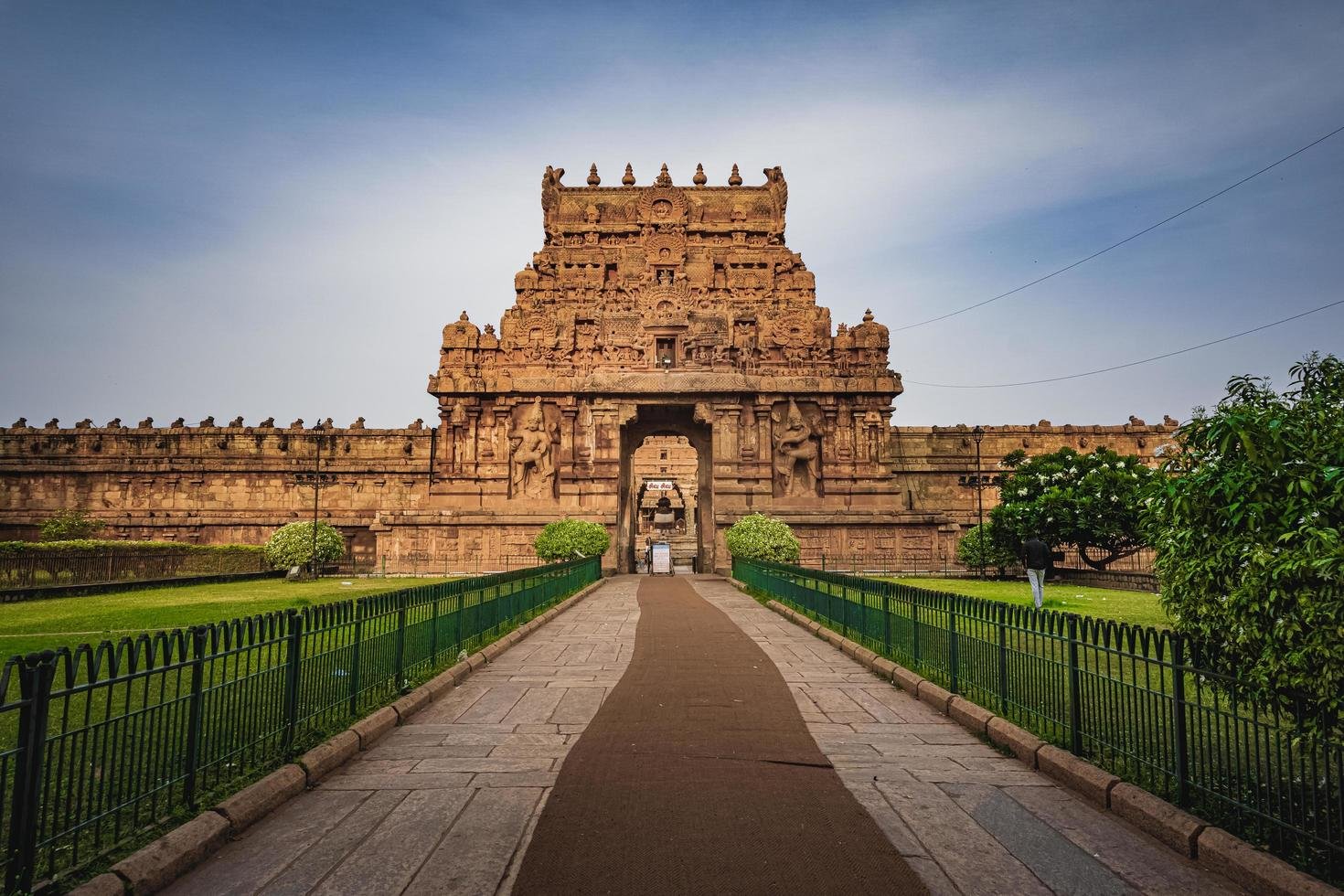
- Thanjavur – Big Temple (Brihadeeswarar Temple or Periya Kovil)
- Thanjavur – Kamatchi Amman Temple
- Thanjavur – Mariamman Temple
Palliagraharam – Thanjai Mamani Koil, also known as Thanjai Maamani Kovil or Thanjavur Perumal Temple
About This Temple Tour Route
This 14-temple route is one of our most heritage-rich packages, connecting Kumbakonam to Thanjavur through a series of temples that span devotional worship, UNESCO-listed architecture, and rare astrological significance. The journey begins at Dharasuram, home to the magnificent Airavatesvara Temple — part of the “Great Living Chola Temples” UNESCO World Heritage designation — and continues through Thirusakthimuttam, Patteeswaram, and Avoor before reaching the town of Thanjavur itself, home to the iconic Brihadeeswarar Temple, also known as the Big Temple.
Along the way, the route also passes through Oothukadu, associated with the famous Kalinga Narthana Perumal Temple depicting Krishna dancing on the serpent Kalinga, and Thirukkarugavur’s Garbarakshambigai Temple, widely visited by couples praying for a safe pregnancy and childbirth.
Highlights Along the Route
Airavatesvara Temple, Dharasuram — A 12th-century Chola masterpiece and UNESCO World Heritage Site, renowned for its intricately carved stone chariot and detailed sculptural work — a must-see for anyone interested in temple architecture as much as spiritual significance.
Brihadeeswarar Temple, Thanjavur (Big Temple) — One of India’s most celebrated temples, built by Raja Raja Chola I over a thousand years ago, and the centerpiece of this route for most travelers.
Garbarakshambigai Temple, Thirukkarugavur — Specifically visited by couples seeking blessings for pregnancy and safe childbirth, making this a meaningful stop for many families on this route.
Thittai Rahu-Guru Temple — A rare temple combining Rahu and Guru (Jupiter) worship in one location, visited by devotees seeking relief from specific planetary combinations in their horoscope.
Patteeswaram Durga Amman Temple — Known as one of the most powerful Amman temples in the region, drawing devotees seeking protection and strength.
Suggested Duration & Pacing
This route can be completed comfortably in a single day, since Thanjavur is closer to Kumbakonam than some of our other temple circuits — typically under two hours by road. Most travelers start around 7:00 or 8:00 AM, spend the morning at the temples closer to Kumbakonam, and reach Thanjavur by midday for the Big Temple and the town’s remaining sites before heading back in the late afternoon.
Families wanting more time to explore the Big Temple complex in detail, or to combine the trip with other Thanjavur attractions like the Saraswathi Mahal Library or Thanjavur Palace, may prefer to treat this as a more relaxed half-day-plus-sightseeing trip rather than a strict temple-only circuit.
Getting There: Vehicle & Booking Details
We offer this Kumbakonam-to-Thanjavur route with sedans, SUVs, and tempo travellers depending on group size, with experienced drivers familiar with both the temple sequence and Thanjavur’s town layout. Since this is one of our shorter and more accessible routes, it’s also a popular choice for a half-day add-on if you’re already staying in Kumbakonam for a longer trip.
Contact us with your travel date and group size, and we’ll confirm vehicle availability and pricing for either a single-day round trip or a combined itinerary with other nearby circuits.
Temple-by-Temple Guide
Airavatesvara Temple, Dharasuram — A 12th-century masterpiece built by the Chola king Rajaraja II, and part of the UNESCO-listed “Great Living Chola Temples.” It’s especially renowned for its stone chariot structure and intricately carved mandapas, making it as much an architectural landmark as a place of worship.
Sakthivaneswarar Temple, Thirusakthimuttam — A Shiva temple whose name reflects an association with shakti (divine power), visited by devotees seeking strength and spiritual energy.
Durga Amman Temple, Patteeswaram — Considered one of the more powerful Amman temples in the region, this shrine draws devotees seeking the goddess’s protection, courage, and blessings for overcoming obstacles.
Pancha Bhairavar Temple, Avoor — A distinctive temple housing five forms of Bhairava together in one location, a relatively rare grouping that makes this a notable stop for devotees of Bhairava worship.
Kalinga Narthana Perumal Temple, Oothukadu — This Vishnu temple depicts Krishna dancing upon the serpent Kalinga, a striking and specific iconographic theme. Oothukadu is also known as the birthplace of the celebrated Carnatic composer Oothukadu Venkata Kavi, adding a layer of musical heritage to the site.
Garbarakshambigai Temple, Thirukkarugavur — One of the most specifically purposeful temples on this route, this shrine honours the goddess as protector of the womb, and is widely visited by couples praying for a safe pregnancy and healthy childbirth.
108 Shiva Lingam Temple, Papanasam — As the name suggests (Papa = sin, nasam = destruction), this temple houses 108 Shiva lingams and is traditionally visited by devotees seeking relief from past wrongdoing and spiritual purification.
Panchavarneswarar Temple, Nallur — This temple honours Shiva in a distinctive five-coloured form, an iconographic tradition not commonly found elsewhere, making it a point of interest for those drawn to temple art and symbolism.
Ancient Shiva Temple, Thiruppalathurai — A long-standing Shiva shrine reflecting the broader Shaiva heritage that runs throughout this route.
Rahu-Guru Temple, Thittai — A rare temple that combines worship of Rahu and Guru (Jupiter) in a single location, visited by devotees seeking relief from specific challenging planetary combinations in their horoscope.
Brihadeeswarar Temple (Big Temple), Thanjavur — Built by the Chola emperor Raja Raja Chola I over a thousand years ago, this is one of India’s most celebrated temples and a UNESCO World Heritage Site, renowned for its towering vimana and status as a defining example of Chola architecture.
Kamatchi Amman Temple, Thanjavur — A Shakti temple in the tradition associated with the Kamakshi form of the goddess, drawing devotees seeking her blessings within the town of Thanjavur itself.
Mariamman Temple, Thanjavur — Dedicated to the guardian goddess traditionally associated with protection from illness and community well-being, this temple remains an active centre of local devotion.
Thanjai Mamani Koil, Palliagraharam — A Vishnu Divya Desam located within Thanjavur, adding a Vaishnavite stop to a route otherwise centred on Shiva and Amman worship, and rounding out the day’s spiritual diversity.
Darshan Tips & Local Insights
Visiting the Big Temple comfortably — The Brihadeeswarar Temple complex is large, with significant open courtyard space exposed to the sun. Visiting in the morning or later afternoon, rather than the middle of the day, makes for a noticeably more comfortable experience, particularly for elderly travelers or families with young children.
Dress code — Traditional, modest attire is expected at all the Shiva and Amman temples on this route. At the Big Temple specifically, given the volume of visitors including many non-devotional tourists, dress norms are generally enforced consistently at the main sanctum areas.
Photography considerations — While the outer courtyards and architectural areas of the Airavatesvara Temple and Big Temple are generally open for photography, the inner sanctums of most temples on this route do not permit photography of the deity itself. Our drivers can point out where this applies at each stop.
Best time of year — Winter months (November through February) are generally the most comfortable for this route, given the extended time spent at the Big Temple’s open courtyards. If visiting during summer, an earlier start helps avoid the most intense midday heat.
Combining with Thanjavur sightseeing — Since this route already brings you into Thanjavur town, many families extend their visit with a stop at the Thanjavur Palace complex or the Saraswathi Mahal Library, both a short distance from the Big Temple. Mention this preference when booking so it can be factored into the day’s timing.
Frequently Asked Questions
How far is Thanjavur from Kumbakonam?
Thanjavur is roughly 35–40 kilometers from Kumbakonam, typically under an hour and a half by road, making it one of the more accessible temple routes we offer.
Can this tour be combined with a Navagraha temple visit?
Yes, many travelers combine a half-day Thanjavur route with their Navagraha circuit, either on the same trip or as a separate day, depending on available time.
Is the Big Temple included in this package?
Yes, the Brihadeeswarar Temple (Big Temple) in Thanjavur is one of the key stops on this route.
Can I add non-temple sightseeing, like Thanjavur Palace, to this trip?
Yes, since this is a shorter route, many travelers extend their day with a visit to Thanjavur Palace or the Saraswathi Mahal Library. Let us know if you’d like this included in your itinerary.
Is this tour suitable for a half-day trip?
Yes, given the shorter distance, this route works well as a half-day trip for travelers with limited time, though a full day allows more time at each stop.
Do you provide guidance on darshan timings for the Big Temple?
Our drivers are familiar with typical visiting hours and crowd patterns at the Big Temple and can help plan your arrival time to avoid the busiest periods.
What makes the Airavatesvara Temple different from the Big Temple?
While both are Chola-era Shiva temples, the Airavatesvara Temple in Dharasuram is smaller and known specifically for its intricate stone carvings and chariot structure, whereas the Big Temple in Thanjavur is renowned for its massive scale and towering vimana. Visiting both offers a fuller picture of Chola temple architecture.
Is the Thittai Rahu-Guru Temple part of the standard Navagraha circuit?
No, it’s a separate temple specifically combining Rahu and Jupiter worship, distinct from the main nine-temple Navagraha circuit, though it appeals to devotees with similar astrological concerns.
Can I visit the Garbarakshambigai Temple without any specific ritual booking?
Yes, general darshan is open to all visitors. Couples seeking a specific pregnancy-related prayer or ritual can arrange this with the temple’s local priests on arrival or in advance.
How much walking is involved at the Big Temple complex?
The complex covers a fairly large open area, so moderate walking is involved, including some distance on stone flooring that can get hot in direct sun. Comfortable footwear and visiting outside peak midday heat are both recommended.
Why This Route Is Worth Your Time
This is one of our most architecturally significant routes, anchored by two UNESCO-recognized Chola masterpieces — the Airavatesvara Temple and the Brihadeeswarar Temple — alongside a dozen other temples spanning Shiva, Amman, Vishnu, and rare planetary worship traditions. For travelers interested in temple architecture as much as spiritual significance, this route offers some of the finest examples of Chola-era craftsmanship anywhere in Tamil Nadu, alongside meaningful stops like the Garbarakshambigai Temple for couples and the unique Rahu-Guru shrine at Thittai. Being one of the shorter and more accessible routes from Kumbakonam also makes it a practical choice for travelers with limited time who still want a comprehensive heritage experience.
Can this route be done as a half-day trip if I’ve already seen the Big Temple before?
Yes, if you’ve previously visited the Big Temple and want to focus on the smaller, lesser-known temples along the route instead, we can adjust the itinerary and timing accordingly.
Start a Reservation
Experience the divine energy of Chola Nadu temples. Reserve your seat now for a peaceful and powerful temple journey.