
Chola Nadu Package
Kumbakonam to Thiruvaiyaru – 16 Temples
Kumbakonam to Thiruvaiyaru – 16 Temples
Embark on a spiritually enriching journey from Kumbakonam to Thiruvaiyaru, covering a series of ancient and powerful temples steeped in mythology, devotion, and architectural grandeur. This route not only takes you through Padal Petra Sthalams, Divya Desams, and Murugan shrines but also offers a deep dive into Tamil Nadu’s rich spiritual heritage.
Must-Visit Temples:
Thirukodiswarar Shiva Temple – Thirukodikaval
Thiru Innambur – Ezhuthari Nathar Temple
Thiruppurambiyam – Honey Abhishekam Vinayagar
Swamimalai – Murugan Temple
Adhanur – Divya Desam
Pullaboothangudi – Divya Desam
Thiruvaigavur – Shiva Temple
Kabisthalam – Gajendra Varadaraja Perumal Temple
Aduthurai Perumal Temple – Divya Desam
Vadakurangaduthurai – Padal Petra Sthalam
Thiruppazhanam – Padal Petra Sthalam
Thingalur – Chandra Bhagawan Temple
Thiruvaiyaru – Aiyarappar Temple
Thiruvaiyaru – Thyagaraja Swamy Temple
Kandiyur – Hara Saabha Vimochana Perumal Temple
Kandiyur – Padal Petra Sthalam
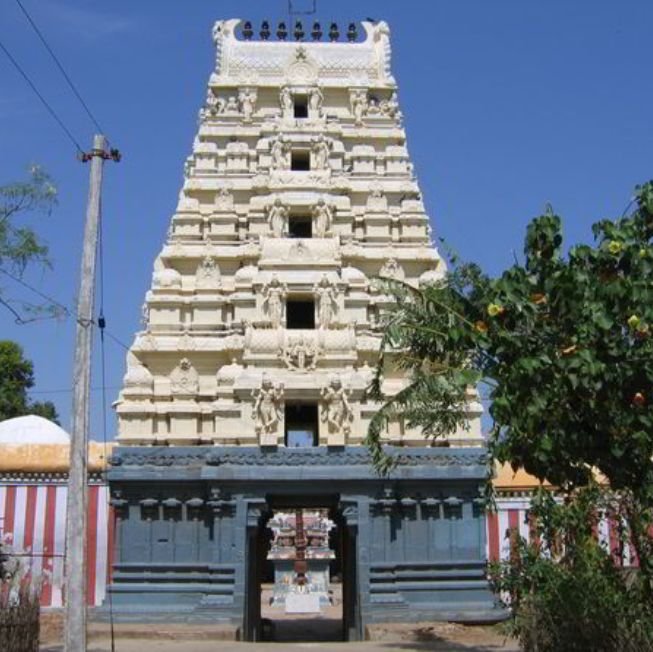
About This Temple Tour Route
This 16-temple route is one of our most spiritually diverse offerings, weaving together Padal Petra Sthalams (temples glorified in the Tevaram hymns of the Nayanmars), Divya Desams (Vishnu temples celebrated by the Alwars), and important Murugan shrines — all within a compact circuit connecting Kumbakonam to Thiruvaiyaru.
The route begins near Thirukodikaval and moves through Thiruppurambiyam, Swamimalai, and a cluster of Divya Desam temples including Adhanur, Pullaboothangudi, and Aduthurai Perumal Temple, before reaching Thiruvaiyaru — a town of deep musical and spiritual significance, home to both the Aiyarappar Temple and the Thyagaraja Swamy Temple.
Highlights Along the Route
Swamimalai Murugan Temple — One of the six sacred abodes (Arupadaiveedu) of Lord Murugan, and a significant stop for devotees on this route, also known for the town’s traditional bronze-casting workshops nearby.
Thiruvaiyaru’s Temples — Home to both the Aiyarappar Temple and the Thyagaraja Swamy Temple, Thiruvaiyaru holds special significance in Carnatic music history as the resting place of the composer-saint Thyagaraja, drawing both devotees and music enthusiasts.
Honey Abhishekam Vinayagar, Thiruppurambiyam — Known for its distinctive honey abhishekam ritual, a stop that stands out from the more typical worship patterns along this route.
Kabisthalam’s Gajendra Varadaraja Perumal Temple — A Divya Desam associated with the story of Gajendra Moksha, offering deep mythological significance for Vishnu devotees.
Thingalur Chandra Bhagawan Temple — Also part of the Navagraha circuit (representing the Moon), this temple bridges both the Navagraha and Padal Petra Sthalam traditions for travelers interested in combining the two.
Suggested Duration & Pacing
With 16 stops spread across a moderate geographic area, this route is best approached as a full single day, starting early in the morning to allow adequate time at each temple without rushing. Most travelers begin around 6:30–7:00 AM and complete the circuit by early evening.
Since several of the temples on this route — particularly the Divya Desams — are smaller shrines with shorter darshan times compared to major temples like Thiruvaiyaru’s Aiyarappar Temple, the overall pacing tends to move efficiently once the day is underway. Families wanting to spend more time specifically at Swamimalai or Thiruvaiyaru may prefer to prioritize those stops and treat some of the smaller Divya Desam temples as optional, depending on available time.
Getting There: Vehicle & Booking Details
We provide this Kumbakonam-to-Thiruvaiyaru route with sedans, SUVs, and tempo travellers, with drivers experienced in navigating the smaller village roads that connect many of the Divya Desam temples along this circuit. Given the number of stops, having a driver who knows the sequence well makes a meaningful difference in how smoothly the day unfolds.
Contact us with your travel date and group size for a customized quote — this route can also be adjusted to prioritize certain temples if you’d prefer a shorter, more focused visit.
Temple-by-Temple Guide
Thirukodiswarar Temple, Thirukodikaval — A Shiva temple marking the start of this route, reflecting the broader Padal Petra Sthalam tradition of temples glorified in the devotional Tevaram hymns.
Ezhuthari Nathar Temple, Thiru Innambur — Another shrine associated with learning and the written word, traditionally visited by those seeking clarity in education and communication.
Honey Abhishekam Vinayagar, Thiruppurambiyam — This Ganesha shrine is distinguished by its honey abhishekam ritual, an offering practice that stands out from more typical forms of worship and draws devotees specifically for this tradition.
Swamimalai Murugan Temple — One of the six sacred abodes (Arupadaiveedu) of Lord Murugan, and among the most significant stops on this route. Local legend holds that Murugan explained the meaning of the sacred syllable “Om” to his father Shiva at this very site, giving the temple deep philosophical as well as devotional significance. The town is also known for its traditional bronze-casting workshops.
Adhanur & Pullaboothangudi (Divya Desams) — Two Vishnu shrines recognized among the 108 Divya Desams, both praised in the devotional hymns of the Alwars, adding a Vaishnavite thread to this otherwise Shiva-and-Murugan-centred route.
Thiruvaigavur Shiva Temple — A Shiva shrine reflecting the region’s dense concentration of Padal Petra Sthalams.
Gajendra Varadaraja Perumal Temple, Kabisthalam — This Vishnu temple is associated with the story of Gajendra Moksha, in which Vishnu rescues a devoted elephant from a crocodile’s grip — one of the most well-known legends in Vaishnavite tradition, giving this Divya Desam particular narrative richness.
Aduthurai Perumal Temple (Divya Desam) — Another Vishnu shrine among the 108 Divya Desams, forming part of the dense cluster of Vaishnavite temples in this region.
Vadakurangaduthurai & Thiruppazhanam (Padal Petra Sthalams) — Both Shiva temples glorified in the Tevaram hymns composed by the Nayanmar saints, reflecting the deep Shaiva devotional literature associated with this part of Tamil Nadu.
Thingalur Chandra Bhagawan Temple — Also part of the Navagraha circuit as the Moon shrine, this temple bridges both the Navagraha and Padal Petra Sthalam traditions, making it a meaningful stop for travelers interested in either.
Aiyarappar Temple & Thyagaraja Swamy Temple, Thiruvaiyaru — The centrepiece of this route. Thiruvaiyaru holds deep significance in Carnatic music history as the resting place of the composer-saint Thyagaraja, and the town hosts an annual music festival (the Thyagaraja Aradhana) that draws musicians and devotees from across South India, alongside its standing as an important Shiva pilgrimage site.
Hara Saabha Vimochana Perumal Temple & Padal Petra Sthalam, Kandiyur — An unusual Vishnu shrine whose name reflects a legend of relieving Shiva (“Hara”) from a curse (“Saabha Vimochana”) — a distinctive cross-tradition story that sets this temple apart from more typical Divya Desam narratives.
Darshan Tips & Local Insights
Best time to visit Thiruvaiyaru — If your trip coincides with the annual Thyagaraja Aradhana music festival (typically held in January), expect significantly larger crowds around the Thyagaraja Swamy Temple and the composer’s samadhi. Visiting outside this period offers a quieter, more contemplative experience at both temples.
Swamimalai’s bronze workshops — Beyond the Murugan temple itself, Swamimalai is home to traditional bronze-casting workshops using techniques passed down for generations. Many travelers combine their temple visit with a short stop to see this craft, particularly interesting for those curious about how temple bronze idols across Tamil Nadu are traditionally made.
Navigating village roads — Several of the Divya Desam temples on this route (Adhanur, Pullaboothangudi, and others) are located along smaller village roads rather than main highways. Our drivers are experienced with this specific route, which meaningfully reduces the time spent navigating between the more remote shrines.
Dress code — As with the other temple routes, traditional modest attire is expected, particularly at Thiruvaiyaru’s larger temple complex, which sees a steady flow of both devotees and visitors interested in its musical heritage.
Pacing your visit to smaller shrines — Since many of the Divya Desam temples on this route are smaller than major sites like Thiruvaiyaru, darshan time at each tends to be shorter. This means the day’s overall pacing is often smoother than routes with fewer, larger temples — worth keeping in mind if you’re deciding between this route and a more concentrated circuit.
Frequently Asked Questions
How many temples are covered in this route, and can I skip some?
The full route covers 16 temples, but it can be customized — if you’d like to prioritize specific stops like Swamimalai or Thiruvaiyaru, let us know when booking.
What is the significance of Thiruvaiyaru beyond its temples?
Thiruvaiyaru is closely associated with Carnatic music history as the resting place of the composer-saint Thyagaraja, and hosts an annual music festival that draws visitors beyond just temple pilgrims.
Is Swamimalai included in this tour?
Yes, the Swamimalai Murugan Temple, one of the six sacred abodes of Lord Murugan, is a key stop on this route.
How long does the full 16-temple circuit take?
Most travelers complete this route in a single full day, starting early morning and finishing by early evening, though pacing can be adjusted based on how much time you’d like at each stop.
Can this tour be combined with a Navagraha temple visit?
Since Thingalur (Chandra Bhagawan Temple) is part of both this route and the Navagraha circuit, many travelers find natural overlap between the two. Let us know if you’d like to combine them into a broader itinerary.
Is this route suitable for families with elderly travelers?
Yes, though given the number of stops, we recommend discussing pacing with our team in advance so we can plan appropriate rest breaks throughout the day.
What is special about the Swamimalai Murugan Temple compared to other Murugan shrines?
As one of the six sacred Arupadaiveedu abodes of Murugan, and tied to the legend of Murugan teaching the meaning of “Om” to Shiva, this temple holds a distinct philosophical significance beyond typical Murugan worship, in addition to being a centre for traditional bronze-casting.
Can I skip the smaller Divya Desam temples and focus only on the major sites?
Yes, if your priority is Swamimalai and Thiruvaiyaru specifically, we can adjust the itinerary to spend more time at these two major stops and treat the smaller Divya Desams as optional based on available time.
Is the Thyagaraja Aradhana festival period a good time to visit, or should I avoid it?
This depends on your priorities. If experiencing the music festival atmosphere is appealing, visiting during the Aradhana period (typically January) can be a memorable experience, though expect larger crowds. For quieter darshan, other months are preferable.
How does this route compare to the Kumbakonam to Thanjavur route?
While both start from Kumbakonam, this route emphasizes a denser cluster of smaller Divya Desam and Padal Petra Sthalam temples alongside Thiruvaiyaru’s musical heritage, whereas the Thanjavur route centers more around a few larger, architecturally significant temples like the Big Temple. Some travelers choose to do both routes on separate days for a fuller regional experience.
Why This Route Is Worth Your Time
This route stands out for its sheer density of spiritually significant sites within a relatively compact area — sixteen temples spanning Padal Petra Sthalams glorified in ancient Tevaram hymns, Divya Desams praised by the Alwars, and one of Murugan’s six sacred abodes at Swamimalai. Add to this Thiruvaiyaru’s deep connection to Carnatic music history, and this circuit offers a rare combination of devotional breadth and cultural heritage in a single day’s journey from Kumbakonam. For travelers who want to go beyond the well-known Navagraha and Thanjavur circuits and explore some of the region’s lesser-visited but historically rich temples, this route is one of our most rewarding options.
Are there any temples on this route particularly recommended for first-time visitors?
Swamimalai and Thiruvaiyaru are the two most significant stops and are recommended as priorities if you’re visiting this route for the first time with limited time available.
Start a Reservation
Experience the divine energy of Chola Nadu temples. Reserve your seat now for a peaceful and powerful temple journey.